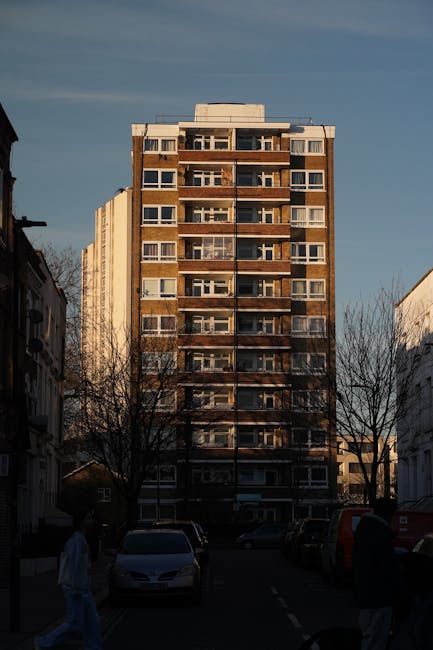
Baylis Road flats removal guide Waterloo for narrow streets

Moving out of a flat on Baylis Road in Waterloo can feel straightforward on paper, then suddenly the road is full, the stairwell is tighter than you remembered, and the van is trying to reverse into a gap that barely looks legal for a shopping trolley. If you are planning a Baylis Road flats removal guide Waterloo for narrow streets, the real challenge is not the furniture itself. It is access, timing, parking, carrying distance, and keeping the whole thing calm when the street works against you.
This guide breaks the job down into practical steps. You will see how to plan a flat move in a narrow London street, what to do with bulky items, when storage makes sense, and how to avoid the mistakes that turn a simple move into a long, sweaty afternoon. Truth be told, a good removals plan in Waterloo is less about muscle and more about sequencing. Get that right, and even a tight street starts to feel manageable.
Why Baylis Road flats removal guide Waterloo for narrow streets Matters
Baylis Road is exactly the sort of place where a move can be derailed by the details. Narrow streets reduce the margin for error, and flats add another layer: stairs, shared entrances, lift availability, awkward corners, and neighbours who are trying to get on with their day. In a dense part of Waterloo, one badly parked van or one oversized sofa can affect the whole timetable.
That matters for a few reasons. First, access restrictions can increase carrying time. Second, a vehicle may need to stop further away than planned, which means more lifting and more people. Third, furniture and boxes often need to be staged differently so the exit route stays clear. A flat removal in this part of London is rarely just a van-and-go job. It is a small logistics project, and if you treat it that way, it runs better.
There is also the simple human side. Moving day is stressful enough without feeling rushed by traffic, pedestrians, or a driver who has to keep circling. A sensible plan gives you breathing room. And, frankly, breathing room is gold when you're carrying a mattress down a narrow staircase.
How Baylis Road flats removal guide Waterloo for narrow streets Works
The process is easiest to understand if you split it into access, loading, and movement. On a narrow street, each stage needs more coordination than it would in a suburban cul-de-sac. You usually start by assessing the entrance point, the stairwell, the size of the largest items, and where the vehicle can legally and safely stop. Then you decide whether to move everything in one go or break the move into smaller loads.
For many Waterloo flats, the smartest approach is a mixture of planning and flexibility. You might use a flat removals service for the main load, but add a smaller vehicle or extra carrying time if the road access is tight. If the property is especially cramped or the items are unusually bulky, small removals can be a better fit than forcing a full-size vehicle into a difficult position.
Some moves also benefit from temporary storage. If you are leaving before your next place is ready, or if the flat is full of items that do not need to be unloaded immediately, it can be useful to consider short-term storage. That approach can reduce pressure on the day and keep your belongings safe while you sort the rest out.
In practical terms, a narrow-street removal often works like this:
- Review access, parking, and building layout before moving day.
- Measure large furniture and compare it with stair turns, door widths, and lift size if relevant.
- Pack and label items so the load order makes sense.
- Use a vehicle size that matches the street, not just the volume of the move.
- Load the most awkward items first or last, depending on the carrying route.
- Keep the exit clear, the hallway protected, and the timetable realistic.
The simple version? Narrow streets reward preparation. They punish improvisation. Quite brutally, sometimes.
Key Benefits and Practical Advantages
A well-planned flat move in Waterloo brings more than convenience. It can save time, reduce risk, and help you avoid the kind of last-minute chaos that turns a move into a very long day.
- Less wasted time: when the van is the right size and the access route is clear, loading happens faster.
- Lower risk of damage: tight corners, kerbs, and stairwells are where scrapes happen. Preparation reduces that.
- Better control of costs: fewer delays and fewer awkward surprises often mean a smoother final bill.
- Less stress for everyone: tenants, landlords, neighbours, and movers all benefit when the plan is tidy.
- More flexibility: storage, split loads, and smaller vehicles give you options if access is awkward.
There is another advantage people often overlook: moving in a narrow street is easier when everything is staged properly inside the flat. A clear route from the rooms to the door, boxes grouped by priority, and fragile items packed separately all make a real difference. You can feel it in the first ten minutes. Then the rest of the day settles down.
If you are comparing service types, it may help to look at broader removals and storage support rather than treating storage as an afterthought. For some Waterloo moves, that combination is exactly what keeps the whole plan workable.
Who This Is For and When It Makes Sense
This guide is useful if you live in a Baylis Road flat, are helping someone move from one, or manage a rental property nearby. It is especially relevant if the building has limited access, the street is busy, or the move includes furniture that is awkward in stairs and narrow hallways.
It makes sense for:
- tenants moving out of a first-floor or upper-floor flat
- couples or flatmates splitting a move across more than one destination
- students with limited furniture but lots of boxes and bags
- people downsizing from a larger rental into a smaller place
- anyone with sofas, wardrobes, beds, desks, or white goods to transport
- property managers arranging an efficient handover between occupiers
It is also a good fit if you are deciding between a man-and-van style move and a fuller removals service. For smaller households, a man and van setup may be enough. For a larger flat or a tighter schedule, a fuller removals service may be the safer choice. The best option depends on the building, the load, and how much patience you have left by 4 p.m., which is usually less than you'd hoped.
Step-by-Step Guidance
1) Start with access, not packing
Before you tape a single box, work out where the vehicle can stop and how far everything must be carried. Check whether the street is likely to be busy at the time you want to move. Narrow roads in Waterloo often leave little room for error, so a few minutes spent on access planning can save an hour later.
2) Measure the large items
Measure beds, wardrobes, sofas, fridge-freezers, and anything with a fixed frame. Then measure the flat's doorways, stair turns, and lift if there is one. It sounds obvious, yet this is where many moves become awkward. A sofa that fits the room can still become a problem on the stairs. Annoying, but common.
3) Decide what needs to travel now
Not everything needs to move on the same day. If some items are seasonal, bulky, or simply not urgent, separate them out. This is where self storage can help, particularly if you are waiting for a new tenancy or want to reduce clutter during a handover.
4) Pack by carry order, not just by room
Room labels are useful, but for a narrow-street removal, carry order matters too. Put the items you need first near the exit. Keep heavy boxes manageable. Use a few clearly marked boxes for essentials so they do not disappear into the van at the wrong time. Toothbrushes, chargers, kettle, cleaning spray, basic tools - the little things that save the evening.
5) Protect the route through the flat
Hallways, skirting boards, bannisters, and communal entrances are where accidental knocks happen. Cover vulnerable edges if needed and keep the route free from loose shoes, coats, recycling bags, or anything else that becomes a trip hazard. One stray basket can ruin a good rhythm fast.
6) Load in a sensible sequence
Heavy and awkward pieces usually go in first, but not always. If your access route is very tight, you may need to load by what is easiest to carry rather than what is heaviest. This is one of those judgment calls where experience helps. The goal is not just to fit everything in; it is to avoid blocking your own path.
7) Keep one person focused on the exit
Even a small move can become messy when everyone is trying to help at once. One person checking the door, another managing fragile items, and a third keeping the route clear is often enough. More helpers are not always better. Sometimes they just create traffic inside the flat. Human traffic, the worst kind.
Expert Tips for Better Results
Small changes make a surprisingly large difference in a narrow-street move. In our experience, the biggest wins come from anticipation rather than brute force.
- Move early if possible: mornings are often calmer for access, traffic, and neighbour disruption.
- Use smaller loads: fewer giant boxes are easier to carry and stack safely.
- Keep a landing zone: one clear space near the entrance helps everyone work faster.
- Wrap awkward furniture before it leaves the flat: once it is in a tight hallway, you do not want to stop and fiddle.
- Have a backup plan for storage: if the new place is not ready, a temporary holding option can prevent a rushed decision.
A good practical tip is to keep one bag with moving-day essentials on your shoulder rather than in the van. Keys, phone charger, documents, snacks, medication, and a bottle of water. Nothing glamorous. Very useful, though.
If you expect fragile items, consider professional help with packing services. That can be especially useful for glassware, kitchen items, artwork, or business paperwork that needs to stay dry and organised. For businesses or home offices, it may also be worth looking at document storage if you need records kept neatly during a move.
Common Mistakes to Avoid
Most removal problems are not dramatic. They are small planning errors that stack up. The good news is that they are usually avoidable.
- Booking the wrong vehicle size: too large and the street becomes a problem; too small and you create extra trips.
- Ignoring walking distance: a van parked further away sounds minor until you are carrying a wardrobe over and over.
- Forgetting the stairs: a flat on the third floor behaves very differently from a ground-floor move.
- Packing boxes too heavily: one overfilled box can slow down the whole move.
- Leaving packing until the last night: late packing is where labels disappear and stress multiplies.
- Not confirming building access: if there are entry codes, intercoms, or timed access rules, check them early.
One more thing: do not assume a quick move will stay quick just because the contents are simple. A studio flat on a narrow road can still be a headache if the access is poor. Simplicity inside the property does not always mean simplicity outside it.
Tools, Resources and Recommendations
You do not need a truck full of specialist gear, but a few practical items make the process much easier.
| Tool or resource | What it helps with | Why it matters in Waterloo flats |
|---|---|---|
| Furniture blankets | Protecting corners, wood, and upholstery | Narrow hallways increase the chance of scrapes |
| Strong tape and labels | Keeping boxes sealed and easy to identify | Speeds up loading and unloading in limited space |
| Dolly or sack truck | Moving heavier boxes and appliances | Reduces strain on stairs and long carry routes |
| Reusable bags | Loose items, cables, and last-minute essentials | Handy for a staged exit when timing matters |
| Temporary storage | Holding items between moves | Useful if the new flat is not ready or access is awkward |
For people who need more than a simple one-day transfer, mobile self storage can be an especially flexible option. It reduces the pressure of transporting everything at once and works well when timing is messy, which moving often is. If you need longer holding times, long-term storage is worth considering too.
And if you are still comparing providers or services, start with clear pricing information and ask questions about access, waiting time, and any charges linked to carrying distance. The page on pricing and quotes is a sensible place to begin.
Law, Compliance, Standards, or Best Practice
For a flat move in Waterloo, the main compliance concerns are usually practical rather than complicated: parking, loading, safe handling, building access, and keeping communal spaces clear. You should always follow local parking restrictions, building rules, and any instructions from the property manager or freeholder. If a bay or waiting area is required, make sure it is arranged properly rather than assumed.
Health and safety also matter. Safe lifting, sensible team numbers, clear walkways, and proper wrapping of items all reduce the chance of injury or damage. If you are using a removals company, it is reasonable to ask how they handle risk, what insurance or safety approach they use, and whether their process fits the building. A reputable provider should be able to explain this without drama. If they cannot, that tells you something.
You may also want to check the terms, insurance, and security arrangements for any storage you use in between properties. On a practical level, clarity is the real standard here. Know what is included, what is excluded, and who is responsible for what. Simple enough, but people skip it all the time.
For additional reassurance, you can review the company's own health and safety policy and insurance and safety information before booking. If payment security matters to you, the payment and security page is also worth a look.
Options, Methods, or Comparison Table
Different Waterloo flat moves call for different methods. Here is a simple comparison to help you decide.
| Method | Best for | Pros | Watch-outs |
|---|---|---|---|
| Man and van | Small to medium flat moves, lighter loads | Flexible, often efficient, good for short notice | May struggle if the load is larger than expected |
| Full removals service | Heavier or more complex flat moves | More support for packing, loading, and handling bulky items | Can be more than you need for a very small move |
| Small removals | Studios, one-bedroom flats, limited furniture | Practical for tight streets and short carry distances | Less suitable for larger households |
| Removals plus storage | Moves with gaps between tenancies or delayed completion | Reduces pressure and keeps belongings secure | Requires extra planning and organisation |
If the move has a business angle, for example a home office or a rented workspace, it may also help to explore office removals or office storage. That way, paperwork and equipment do not get mixed up with the rest of the flat contents. Small thing, big headache avoided.
Case Study or Real-World Example
Imagine a two-bedroom flat on Baylis Road with a sofa, dining table, bed frames, boxed kitchen items, and a few awkward extras like a mirror and a tall lamp. The road is narrow, parking is limited, and the moving window is mid-morning. A van cannot sit outside indefinitely, so the team needs to work quickly but carefully.
In a sensible version of this move, the boxes are staged near the front door the day before. The largest items are measured against the stairwell and the doorway. The flatmates decide to store a bulky chest of drawers temporarily because there is no space for it in the next property. The removals team arrives, parks in the best available position, and the load is split so the heaviest items are taken in a planned order.
The result is not magical. It is just organised. There is less backtracking, fewer awkward pauses, and no frantic reshuffling in the hallway. The move still takes effort - of course it does - but it feels controlled rather than chaotic. That is usually the real win in a Waterloo street.
For moves like this, a combination of removals and storage and a flexible vehicle choice often works better than trying to force everything into one single van trip. Not every move needs a grand plan. But this sort of move definitely needs a plan of some kind.
Practical Checklist
Use this as a final run-through before moving day.
- Confirm the moving date, time, and access window.
- Check whether parking, loading, or waiting restrictions apply.
- Measure large furniture and compare it with doors, stairs, and lifts.
- Sort items into keep, store, donate, and dispose piles.
- Choose the right move method for the load size.
- Book storage if the new property will not be ready in time.
- Label boxes clearly and keep essentials separate.
- Wrap fragile or valuable items before moving them out.
- Keep communal areas clear and protect walls where possible.
- Keep your phone, keys, and documents with you, not packed away somewhere deep.
If you are moving student belongings or a compact household load, student storage can be a neat fit, especially when the schedule is broken up between terms, sublets, or travel plans. For larger household transitions, house removals may be a better benchmark for the level of support you need, even if the home itself is a flat.
Conclusion
A Baylis Road flat removal in Waterloo is not difficult because the contents are unusual. It is difficult because narrow streets, tight access, and flat layouts leave little room for wasted movement. Once you plan around those realities, the whole job becomes much easier to manage.
The best results usually come from three things: measuring properly, choosing the right move method, and giving yourself enough flexibility to deal with delays or storage needs. That combination keeps stress down and reduces the chances of damage or last-minute scrambling. Not glamorous, maybe. But effective, and that is what matters on moving day.
As a final thought, try not to chase perfection. Chase clarity. A clear plan, a clear route, and a clear idea of what is moving when will get you a long way in a Waterloo street. The rest is just carrying boxes, one by one.
Get a free quote today and see how much you can save.
Frequently Asked Questions
What makes Baylis Road flats harder to move from than a normal street?
The main issue is access. Narrow roads, limited stopping space, and heavy foot and vehicle traffic all make loading slower. Flats add stairs, shared entrances, and tighter internal routes, so the job needs more planning than a simple front-door move.
Should I book a man and van or a full removals service?
It depends on the size of the load and how awkward the building is. A man and van can suit smaller flats and lighter furniture. A full removals service is often better if you have bulky items, multiple rooms, or a tight schedule.
How far in advance should I plan a flat move in Waterloo?
As early as possible. Even a small move benefits from advance planning because parking, access, and building rules can shape the whole day. If you leave it late, you may end up with fewer options and more stress.
Do I need storage if my new flat is not ready yet?
Not always, but it can be very helpful. If there is a gap between tenancies, completion dates, or access windows, short-term storage can take the pressure off and stop you rushing decisions.
What should I measure before moving large furniture?
Measure the furniture itself, then measure doorways, stair turns, lift dimensions if relevant, and any tight hall corners. It is a bit tedious, yes, but it prevents surprises that are much less fun on moving day.
Can removals teams handle narrow streets safely?
Yes, provided the move is planned around the access limitations. The key is choosing the right vehicle size, confirming where it can stop, and using safe carrying methods through the building and onto the street.
What kind of items are best put into storage first?
Bulky furniture, seasonal items, spare boxes, and anything you will not need immediately are good candidates. If you want to make the move lighter and easier, storage is often the smartest place to start.
Are packing services worth it for a flat move?
They can be, especially if you have fragile items, a lot of kitchenware, or not much time. Good packing can reduce breakages and make loading far smoother, which really matters in a tight street.
What if parking outside Baylis Road is not available?
Then the move may need a longer carrying route or a different loading plan. This is why access checks matter so much. If possible, confirm the parking situation before the day arrives rather than hoping for the best.
How do I keep communal areas safe during the move?
Keep hallways clear, protect walls or corners where needed, and avoid blocking exits or shared paths. A tidy route reduces the chance of accidents and makes things better for neighbours too.
Is self storage useful for a single flat move?
Very often, yes. Even one flat can contain more items than the new place can receive immediately. Using self storage can make the move feel more controlled and reduce the pressure to make quick decisions about what stays and what goes.
Where should I start if I want help with the whole move?
Start with the basics: access, vehicle size, furniture measurements, and any storage needs. Then speak to a removals provider who understands flat access and narrow streets. If you are comparing services, the local removals option is a sensible place to begin for short-distance Waterloo moves.
When the boxes are finally stacked and the key is handed over, the best move is the one that felt steady all the way through. That kind of calm is worth aiming for.